The primary function of the workbook is to reinforce the curriculum focused on the "Geography of Russia." In the ninth grade, the syllabus shifts from physical landscapes to the study of economic regions, industrial complexes, and demographic trends. Barinova and Dronov structure the workbook to mirror this progression. By providing a variety of exercise types—ranging from fill-in-the-blank summaries to complex data analysis—the authors ensure that students do not merely memorize facts but instead learn to interpret the spatial logic of Russia’s vast territory.
Furthermore, the workbook encourages the development of analytical skills through the use of statistical tables and graphs. Students are often tasked with comparing the economic output of different regions or tracking population shifts over time. This aligns with modern educational standards that prize "functional literacy"—the ability to apply classroom knowledge to real-world data. In a country as diverse and expansive as Russia, understanding the economic disparities and strengths of various federal subjects is vital for fostering informed citizenship. barinova dronov rabochaia tetrad po geografii 9 klass
In conclusion, the Barinova and Dronov geography workbook for the ninth grade is more than just a collection of homework assignments. It is a comprehensive diagnostic and instructional tool that guides students through the complexities of Russia’s economic and social structures. Through its focus on map work, data analysis, and systematic review, the workbook ensures that ninth graders complete their basic secondary education with a sophisticated understanding of the world around them and the country they inhabit. The primary function of the workbook is to


Sign up to receive all the latest news and special offers

AI-Enhanced Data Platform for Business Growth & Retention

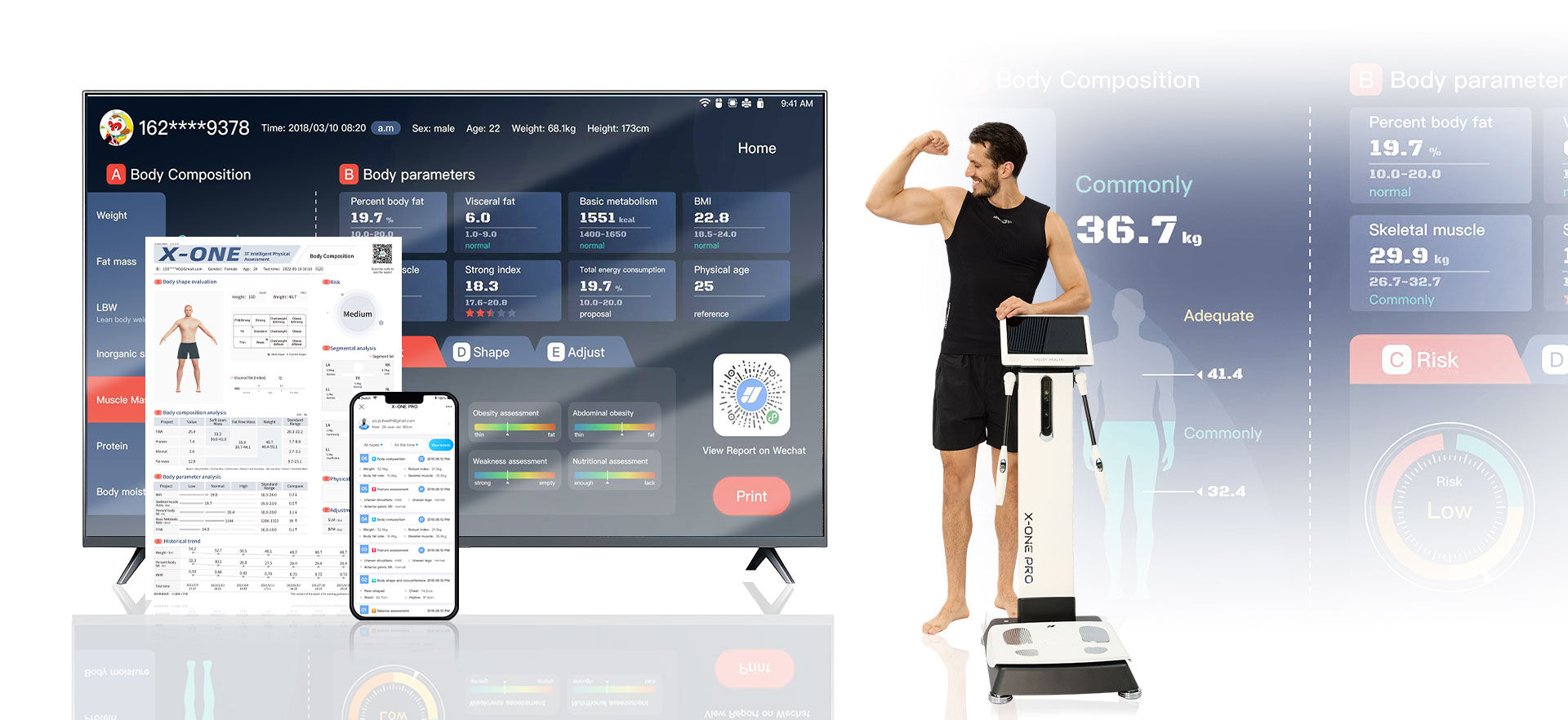
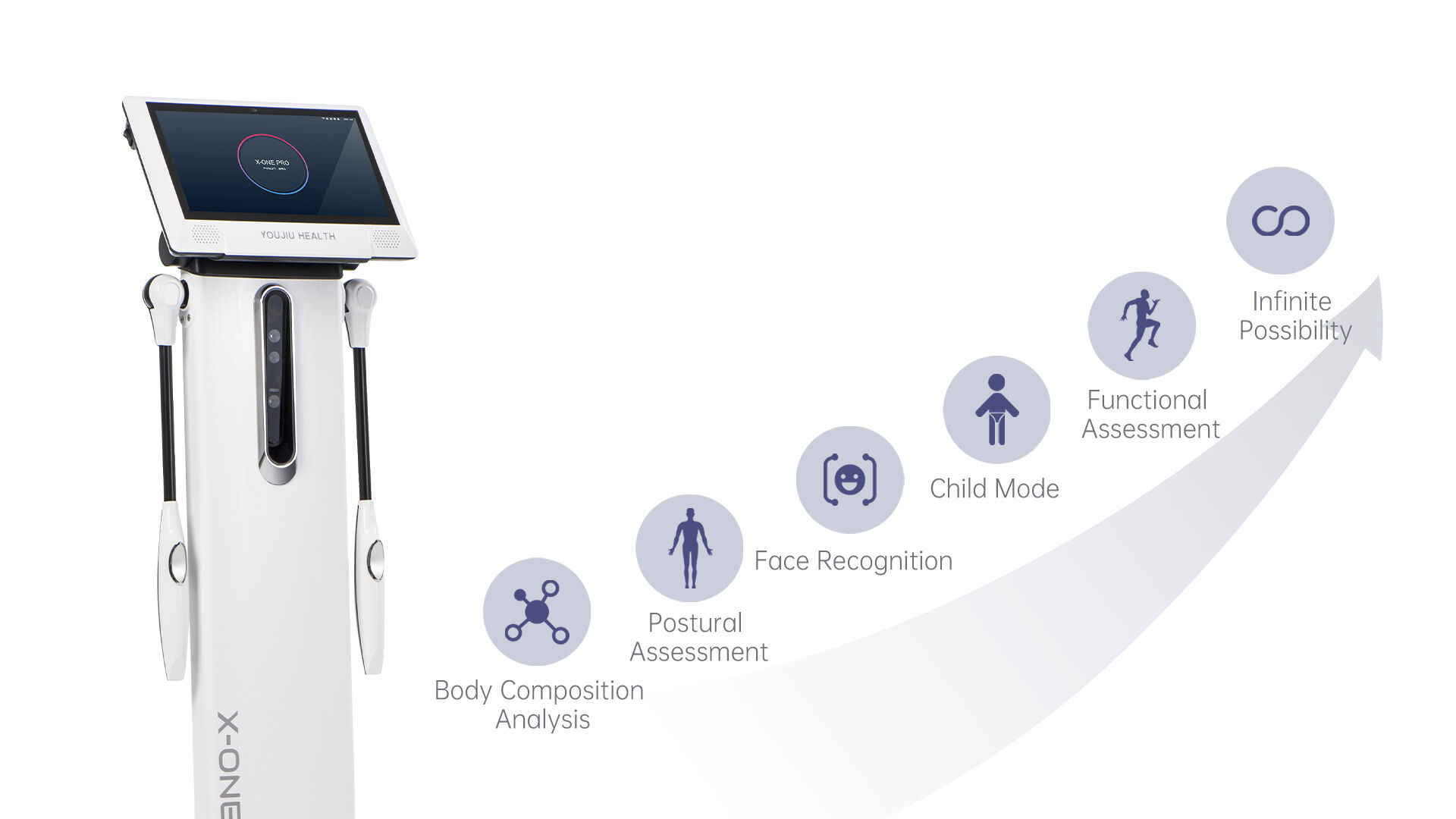
Deliver individualized body composition analysis—free from demographic assumptions—for precise, tailored results on every patient’s health journey.

Use detailed body composition metrics and progress tracking to develop evidence-based care plans and showcase tangible results.

Benefit from HIPAA-compliant cloud storage and advanced encryption, keeping patient data safe while allowing secure access from anywhere.

Access, analyze, and share patient information securely from any location with LookInBody Web—featuring advanced analytics and customizable reporting.

























































The primary function of the workbook is to reinforce the curriculum focused on the "Geography of Russia." In the ninth grade, the syllabus shifts from physical landscapes to the study of economic regions, industrial complexes, and demographic trends. Barinova and Dronov structure the workbook to mirror this progression. By providing a variety of exercise types—ranging from fill-in-the-blank summaries to complex data analysis—the authors ensure that students do not merely memorize facts but instead learn to interpret the spatial logic of Russia’s vast territory.
Furthermore, the workbook encourages the development of analytical skills through the use of statistical tables and graphs. Students are often tasked with comparing the economic output of different regions or tracking population shifts over time. This aligns with modern educational standards that prize "functional literacy"—the ability to apply classroom knowledge to real-world data. In a country as diverse and expansive as Russia, understanding the economic disparities and strengths of various federal subjects is vital for fostering informed citizenship.
In conclusion, the Barinova and Dronov geography workbook for the ninth grade is more than just a collection of homework assignments. It is a comprehensive diagnostic and instructional tool that guides students through the complexities of Russia’s economic and social structures. Through its focus on map work, data analysis, and systematic review, the workbook ensures that ninth graders complete their basic secondary education with a sophisticated understanding of the world around them and the country they inhabit.