
Japanese Blowjob [BEST]
Japan is a collectivist society that prioritizes group harmony and respect for others. This cultural context influences how individuals express affection and intimacy. In Japan, public displays of affection are often considered impolite or embarrassing, as they may disrupt social harmony. Instead, physical affection is typically reserved for private settings or subtle, implicit expressions.
In conclusion, Japanese views on intimacy and physical affection are shaped by cultural values, communication styles, and social norms. Understanding these perspectives can provide valuable insights into the complexities of human relationships. By recognizing the nuances of Japanese cultural expression, we can foster greater empathy and appreciation for diverse perspectives on intimacy. japanese blowjob
Japanese communication styles tend to be indirect and implicit, which can impact how intimacy is expressed. Individuals may use nonverbal cues, such as body language or gift-giving, to convey emotions and affection. This subtle approach to emotional expression is rooted in the cultural value of "honne" (outside self) and "tatemae" (inside self), where individuals maintain a public facade while concealing their true feelings. Japan is a collectivist society that prioritizes group
In Japan, the term "skinship" ( sukanshippu) refers to the physical affection exchanged between individuals, often used to describe intimate contact, such as hugging, kissing, or holding hands. Skinship is viewed as an essential aspect of building trust and strengthening relationships. However, its expression is often nuanced and context-dependent. By recognizing the nuances of Japanese cultural expression,
In romantic relationships, intimacy is often built through shared experiences, trust, and mutual understanding. Physical affection may be expressed through gentle, tender interactions, such as softly touching or stroking. However, the pace and intensity of physical intimacy can vary depending on individual comfort levels and cultural expectations.
Intimacy and physical affection are essential aspects of human relationships, yet their expression varies significantly across cultures. In Japan, a country known for its rich cultural heritage and unique customs, the concept of intimacy is often viewed through a distinct lens. This paper aims to explore Japanese perspectives on physical affection, focusing on cultural attitudes and values that shape their understanding of intimacy.


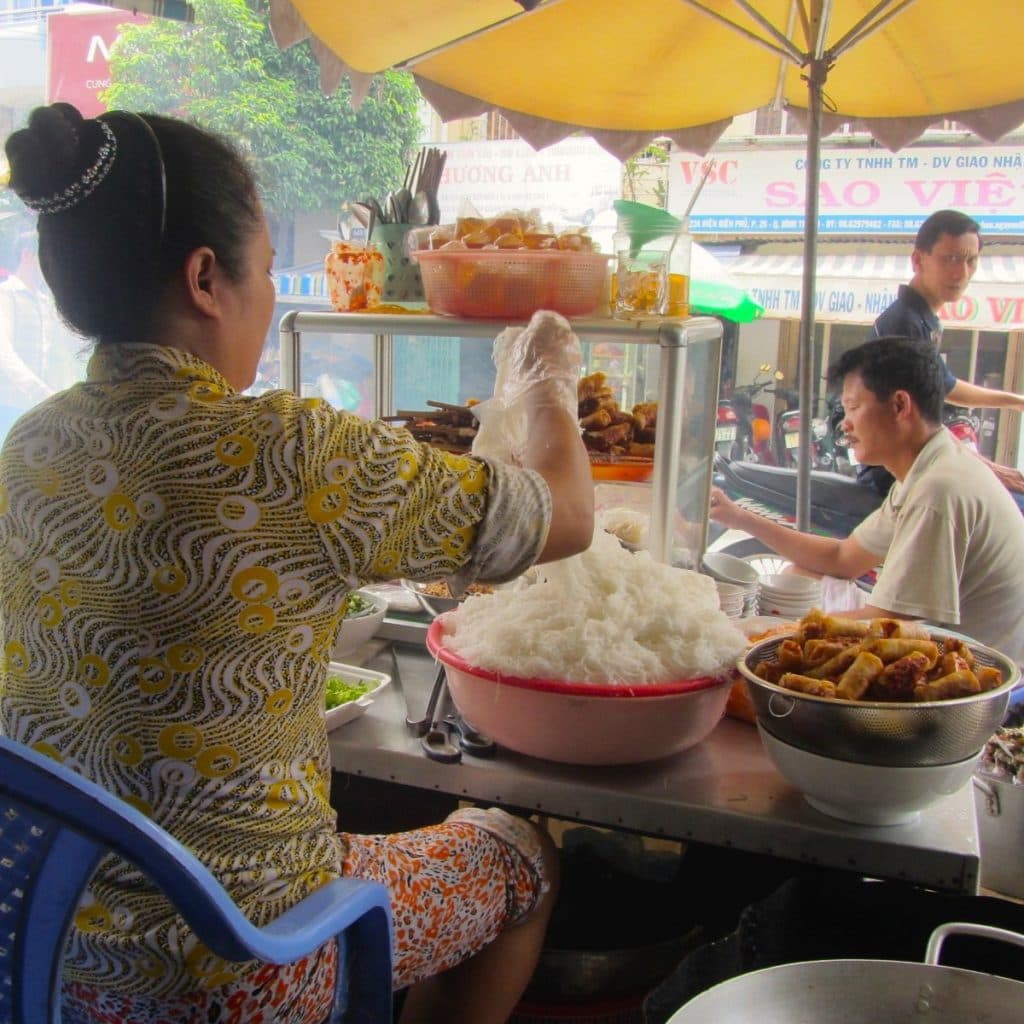

“There are still so many places for Bourdain to visit in Vietnam, so many more dishes for him to try, so many more episodes for him to make.”
That is the same thought and reason why I haven’t gone back to any episode or short clips of him, which appear in my YT feeds every now and then.
Hi Giang,
Yes, I know what you mean, and I know many other Bourdain fans who feel the same.
Best,
Tom
I sometimes wonder why people often acknowledge people’s death day (religious reasons aside)? Generally speaking that’s the worst day of a persons life and the saddest day for their loved ones and admirers.
With that in mind Anthony’s birthday is coming up on June 25 (1956), the day this intrepid traveller and lover of people was born!
Hi S Holmes,
Yes, it’s because in Vietnam ‘death days’ are commonly celebrated. Hence, I’ve chosen to remember Bourdain on his ‘death day’ in the context of his love of Vietnam.
Best,
Tom
Many Americans of a certain age only saw Vietnam in context with the American War. That view persisted in American culture and continued into the next generation. Bourdain was the first to see Vietnam as a unique country. I don’t think he ever mentioned the war in his programs.
Hi Paul,
Yes, I know what you mean, and in many ways (most ways, in fact), I agree that Bourdain painted Vietnam in a different context to what many Americans were most familiar with – that being war. However, he could never let the war go from his Vietnam episodes: Bourdain references the war – either directly or through cultural references, such as movies – in most of his Vietnam shows. This is totally understandable, but I personally looked forward to an episode that left the war out completely, thus focusing only on present-day Vietnam.
Best,
Tom
I’ll have to re-watch some of the episodes. I guess it was just my first impression that Bourdain dealt with Vietnam on its own merits as a young country with an ancient past and complex culture.
Thank you for your close and heartfelt reading of Bourdain’s odysseys to Vietnam.
I have watched the “Hanoi” episode 5 times with deepening appreciation and sentiment; it is my favorite of what I’ve seen of his work.
The episode is an apostrophe to gain — Vietnam’s as it heals from its history and ascends the world stage toward its future — and a eulogy to the Obama and Bourdain era, where sincerity and civility, for a short time, were given a stage.
“Is it going to be all right?”
While Obama and Bourdain were tour guides, we could believe it would.
Hi Jeff,
Yes, I agree, it’s a very poignant episode – it was at the time, but even more so now, with the knowledge of what was about to happen: to Bourdain, to American politics, to the World.
Best,
Tom
This is amazing Tom, just found ur blog after following you quite sometime in twitter. Anthony is one of my idol esp for Vietnam. Keep up the good work as always and thanks.
Thank you for the kind words!
Great to hear you admire Bourdain too. I hope you enjoy watching/re-watching these episodes.
Best,
Tom
Thank you for a great article as always!
It made me miss my hometown even more.
Thank you, Bao Tran 🙂
Thanks, Tom, for a moving and informative article that has me regretting that I didn’t enjoy Bourdain’s work when he was with us. He was a one-off for sure and we are all poorer for his absence.
Thanks, John.
This is wonderful, Tom.
A great tribute to Bourdain and Vietnamese food.
I never saw his programmes but have read some of his books which i greatly enjoyed.
Thanks
Vicki
Thanks, Vicki.
Yes, I enjoy his writing style too. I hope you get a chance to watch some of his TV shows sometime too.
Tom
If you have a Google account with a US credit card you can buy episodes of No Reservations and Parts Unknown a la carte for $2 or $3 (SD or HD respectively) on Google Play. Here’s a link:
No Reservations:
https://play.google.com/store/tv/show/Anthony_Bourdain_No_Reservations?id=cI-ABS8T6RA&hl=en_US&gl=US
Parts Unknown:
https://play.google.com/store/tv/show/Anthony_Bourdain_Parts_Unknown?id=qZqWbgwkJcc&hl=en_US&gl=US
Thanks, Ben.
Man, great review.
I didn’t know Tony because I’m Spanish and I was not interested about him. I think I first know about him when I came to Vietnam.
I have the feeling that Vietnam is changing very fast, but mostly I don’t see it as an inconvenient but something good. We will see how things evolve in the future.
I agree with Obama, eventually everything will be fine. The virus will be over and we will continue eating food with family and friends, and be able to travel!
I miss Spain and Thailand!
Thanks, Javier.
Yes, I hope so too.
Best,
Tom