it for a specific platform like LinkedIn, X (Twitter), or Instagram.
If you're dealing with long files, try using a simple split function or plugin. It saves hours of manual cutting and pasting!
If you share the text from the file, I can tailor this specifically to your needs! 🚀 Split & Conquer: Master Your Workflow
Drop a comment below or share your favorite way to stay organized! #Efficiency #WorkflowTips #TechTips #ContentCreation
For designers, splitting text into layers is the first step to cool motion graphics. 💡 Pro Tip:
Grouping ideas makes them easier to find later.
it for a specific platform like LinkedIn, X (Twitter), or Instagram.
If you're dealing with long files, try using a simple split function or plugin. It saves hours of manual cutting and pasting!
If you share the text from the file, I can tailor this specifically to your needs! 🚀 Split & Conquer: Master Your Workflow
Drop a comment below or share your favorite way to stay organized! #Efficiency #WorkflowTips #TechTips #ContentCreation
For designers, splitting text into layers is the first step to cool motion graphics. 💡 Pro Tip:
Grouping ideas makes them easier to find later.
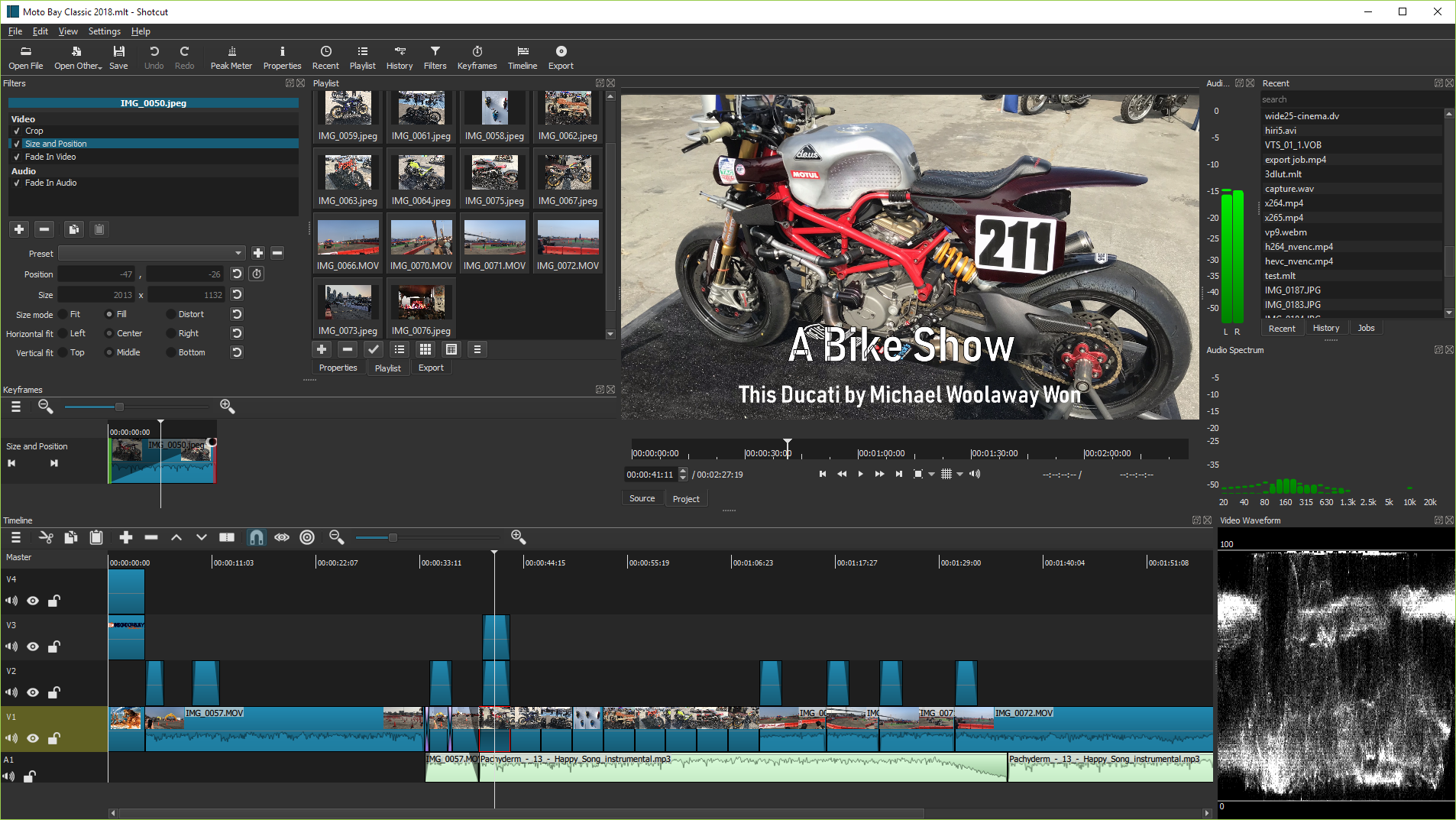
Shotcut was originally conceived in November, 2004 by Charlie Yates, an MLT co-founder and the original lead developer (see the original website). The current version of Shotcut is a complete rewrite by Dan Dennedy, another MLT co-founder and its current lead. Dan wanted to create a new editor based on MLT and he chose to reuse the Shotcut name since he liked it so much. He wanted to make something to exercise the new cross-platform capabilities of MLT especially in conjunction with the WebVfx and Movit plugins.
Lead Developer of Shotcut and MLT